
Govecs eSchwalbe: a quiet exit from the electric stage


Source: Author: SteckerBiker.de – Edited by THE PACK – © Photos: Govecs
The e-Schwalbe was seen by many as an electric promise of a revival for the legendary Simson Schwalbe, a piece of East German culture, reimagined for the future. On November 24, 2025, Govecs, the manufacturer of the e-Schwalbe, filed for insolvency. This quiet demise raises questions: What went wrong, and why, despite its charm and technical modernization, did the idea fail to attract enough buyers?
Govecs, big plans, and a strong distribution network
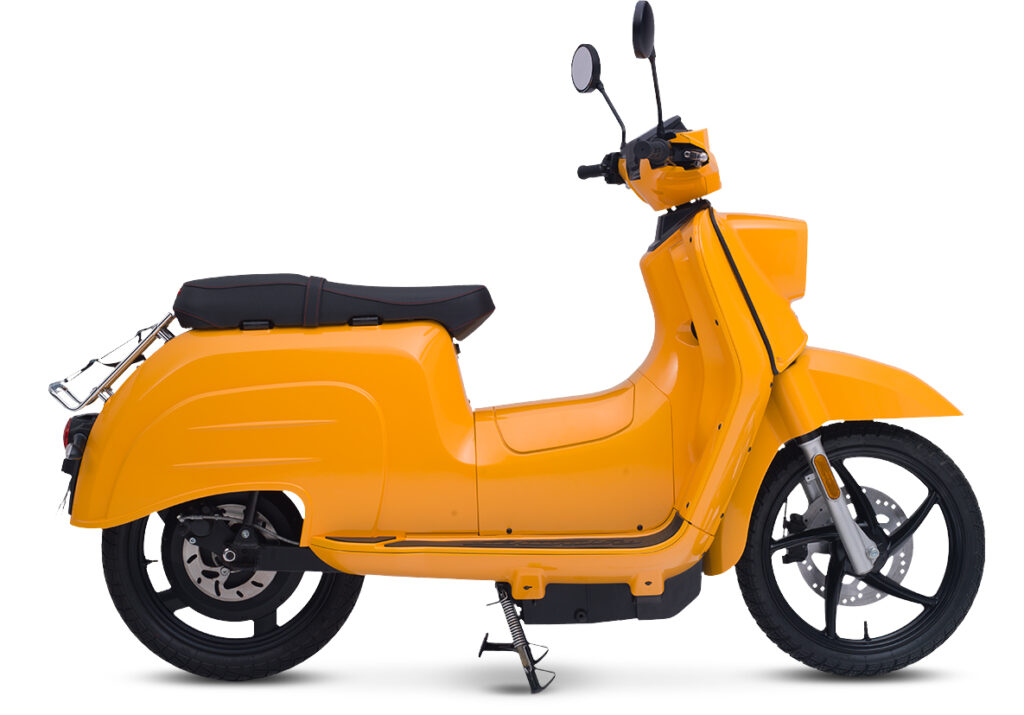
The story of the e-Schwalbe is closely linked to Govecs, a Munich-based e-scooter manufacturer that presented a modern reinterpretation of the iconic scooter in 2017. High-quality materials, a sophisticated electric drive, and a deliberately nostalgic design were intended to transform an East German classic into a serious premium product. The scooter was produced in Wrocław, Poland, a location that promised high-quality manufacturing but also entailed high production costs and logistical challenges. For distribution, Govecs relied, among others, on the König car dealership, whose nationwide network of branches was meant to lend the e-Schwalbe visibility and credibility. Despite this strong presence, however, the scooter failed to achieve the hoped-for market success.

Technology meets nostalgia – but not the market
The e-Schwalbe was technically ambitious and priced confidently. Depending on the version, it cost at least around €5,400, and sometimes even over €8,000, placing it in a segment far removed from the price structure of its competitors. This is particularly evident when compared to the market leader, NIU: Their NQiX150 model costs around €2,699 and offers similar performance for less than half the price. For many buyers, this difference was simply unjustifiable.
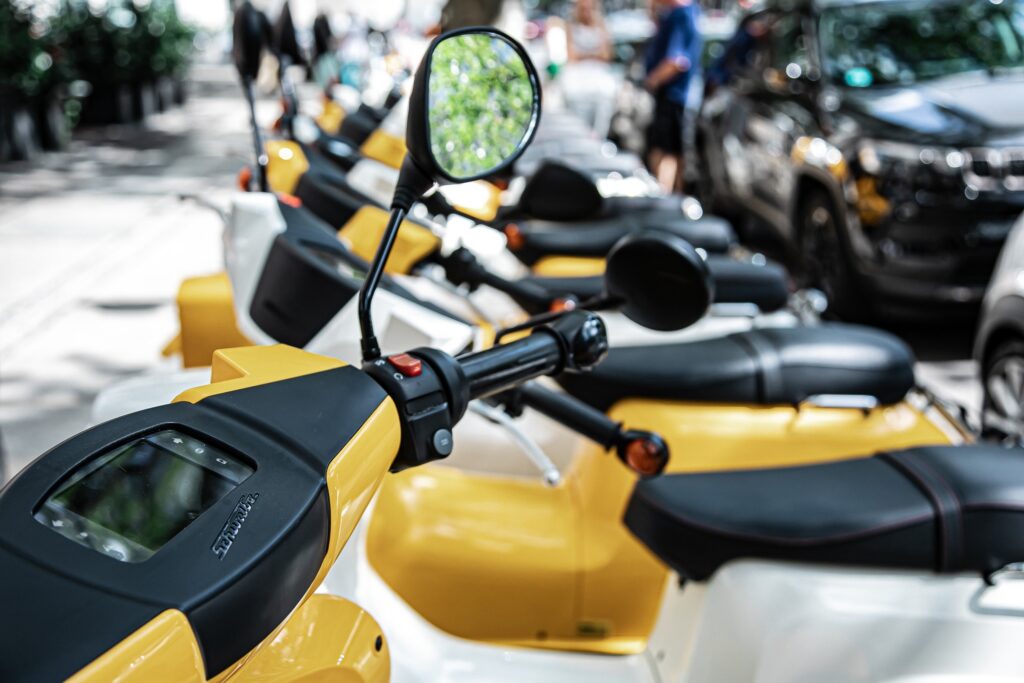
Furthermore, while the e-Schwalbe outwardly remained a scooter, it lagged behind modern urban scooters in several everyday practical aspects. Due to its wide central tunnel, it lacked a truly low step-through, meaning it didn’t offer the comfortable entry and exit that many scooter riders prefer today. Even in terms of weight, nostalgia proved more of a burden than an advantage: at up to around 135 kilograms, the e-Schwalbe was significantly heavier than many of its direct competitors (for comparison: the NIU NQi Sport weighed 99 kg). Furthermore, everyday use suffered from limited storage space – there was very little room under the seat, a drawback that particularly bothered commuters who wanted to stow bags, helmets, or shopping bags. Thus, the combination of retro charm and modern technology failed to resonate with the reality of a target group that primarily sought lightweight, affordable, and practical mobility. The ‘pure’ look of the classic Simson KR50 ‘Schwalbe’ was not enough for lasting success.
Electric alternatives: Second Ride preserves the original charm
While Govecs’ e-Schwalbe failed in the market, Second Ride demonstrates that the desire for an electric Schwalbe remains strong, albeit based on the original. The young Berlin-based startup offers conversion kits for genuine Simson Schwalbes, preserving exactly what many fans value: the iconic look, the classic riding experience, and, most importantly, the 60 km/h speed limit of the older models, which is valid in Germany. For many Simson riders, this is the decisive advantage over Govecs’ modern interpretation, as it allows them to remain true to the iconic vehicle while still enjoying electric power.
Prices are attractively priced. Conversion kits start at around €2,690 and are aimed at owners who want to electrify their existing Schwalbe. Those without their own vehicle can also order fully assembled electric Schwalbes from Second Ride, freshly restored and in their choice of color – starting at approximately €6,990. This creates an electric alternative that retains the charm of the original while offering modern mobility.
SteckerBiker previously covered the DIY kit here >
From hopeful vision to economic failure
This combination of high price, limited everyday usability, and fierce competition meant that the e-Schwalbe, despite its iconic look, found few buyers. Sales figures fell short, the business foundation crumbled, and ultimately, Govecs had no choice but to file for insolvency. With the company’s demise, the electric Schwalbe also disappeared from the future of urban mobility, a sobering end for a project that had begun with such meticulous attention to detail.
A bitter farewell – and many unanswered questions
The situation is distressing for owners. Those who expected a reliable, durable product are now faced with the question of what will happen to spare parts, maintenance, and long-term support. At the same time, it highlights how difficult it is to maintain a production site in Europe, specifically in Wrocław, Poland: high costs, complex manufacturing, and logistical challenges made it difficult for Govecs to remain economically viable. For electromobility in Germany, the demise of the e-Schwalbe remains a cautionary tale, illustrating how difficult it is to reconcile tradition, modern technology, and economic success. Nostalgia alone doesn’t sustain a brand, and sometimes a quiet dream is simply too burdensome for everyday life.
Editor’s note
Guy Salens – THE PACK: The collapse of Govecs marks yet another setback in the European light-electric-vehicle landscape. Another manufacturer disappears, another idea with heart and history slips away. It’s a sad reminder that passion isn’t always enough to survive in a market shaped by tight margins and tough competition. The e-Schwalbe’s disappearance is a reminder of how fragile this ecosystem remains, and how urgently Europe needs better structures to keep innovative mobility projects alive.
If you prefer to read the original (German) article from SteckerBiker, let’s go: