
Roam reaches 40% East African content on the Roam Air, targets 50% by 2027


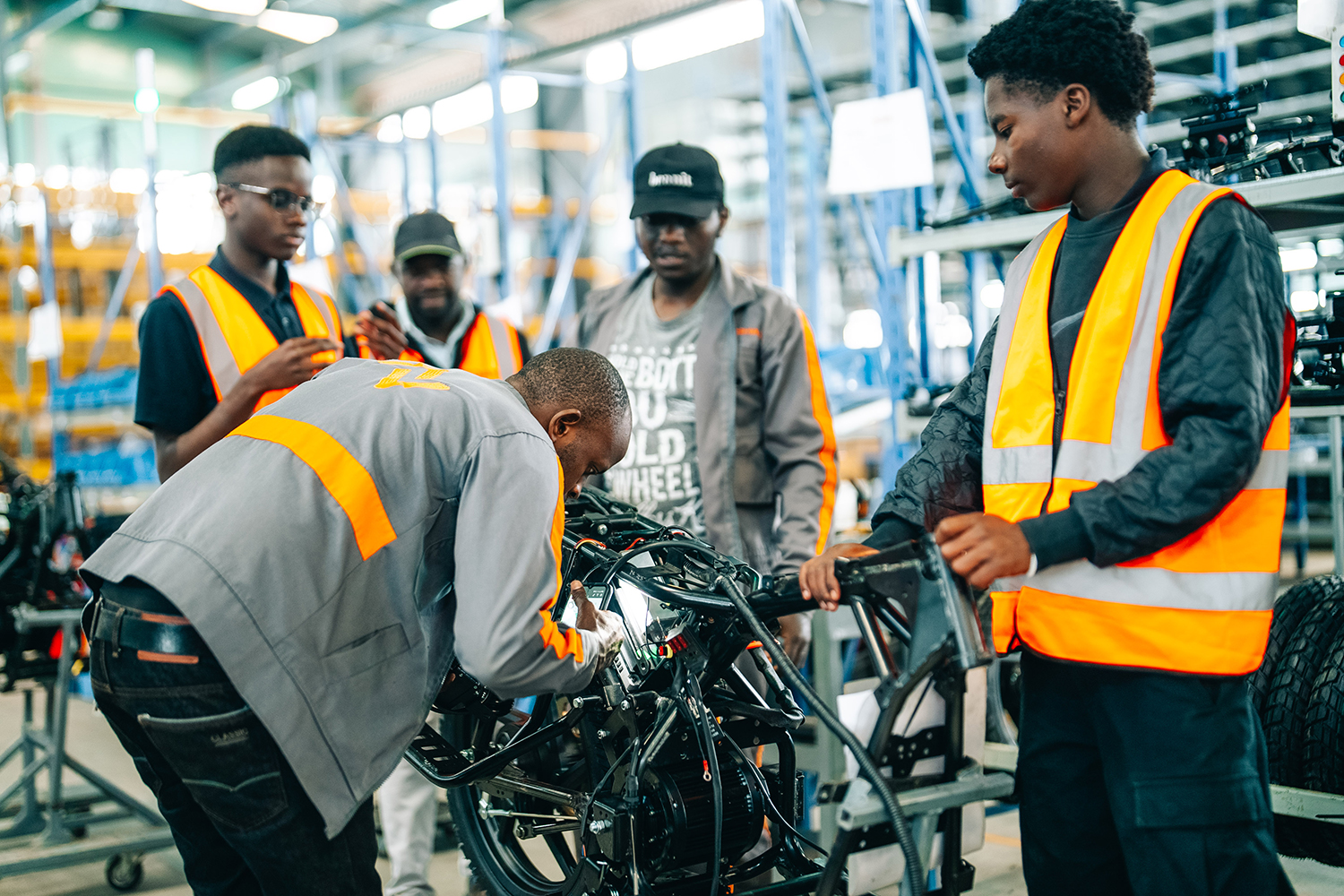
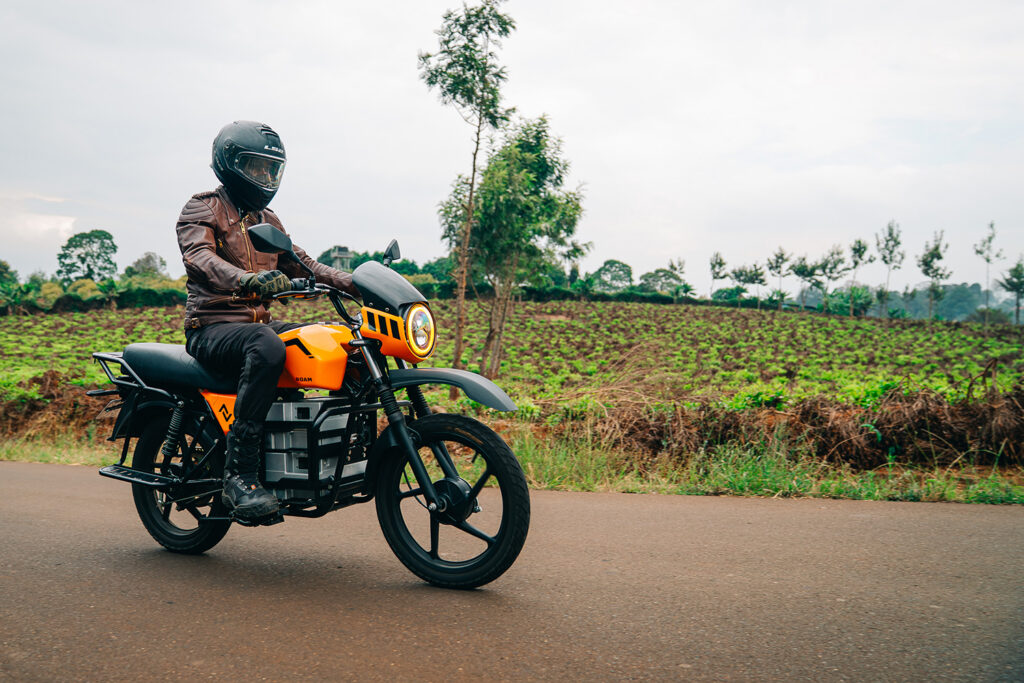
Kenyan electric mobility company Roam says 40% of its Roam Air electric motorcycle is now made in East Africa, measured by bill-of-materials value. More than 50 components are produced in the region by more than 10 suppliers in Kenya and Tanzania. The next goal is 50% local content by 2027, which Roam says would be a first for an electric motorcycle built in Africa.
Shorter lead times, cheaper parts
The clearest effect so far is on parts supply. Cowlings and space tanks were previously imported from India with a lead time of 18 weeks. Since production moved to local suppliers, that has dropped to two weeks. Roam says buying or replacing a space tank now costs riders 40% less.
For boda boda riders, the motorcycle taxi operators the Roam Air is built for, parts availability translates directly into income. Fred Omoro, who works in Ruaraka, Nairobi and has ridden a Roam Air since 2022, put it this way: “Every day the bike is not working is a day you are not earning.”
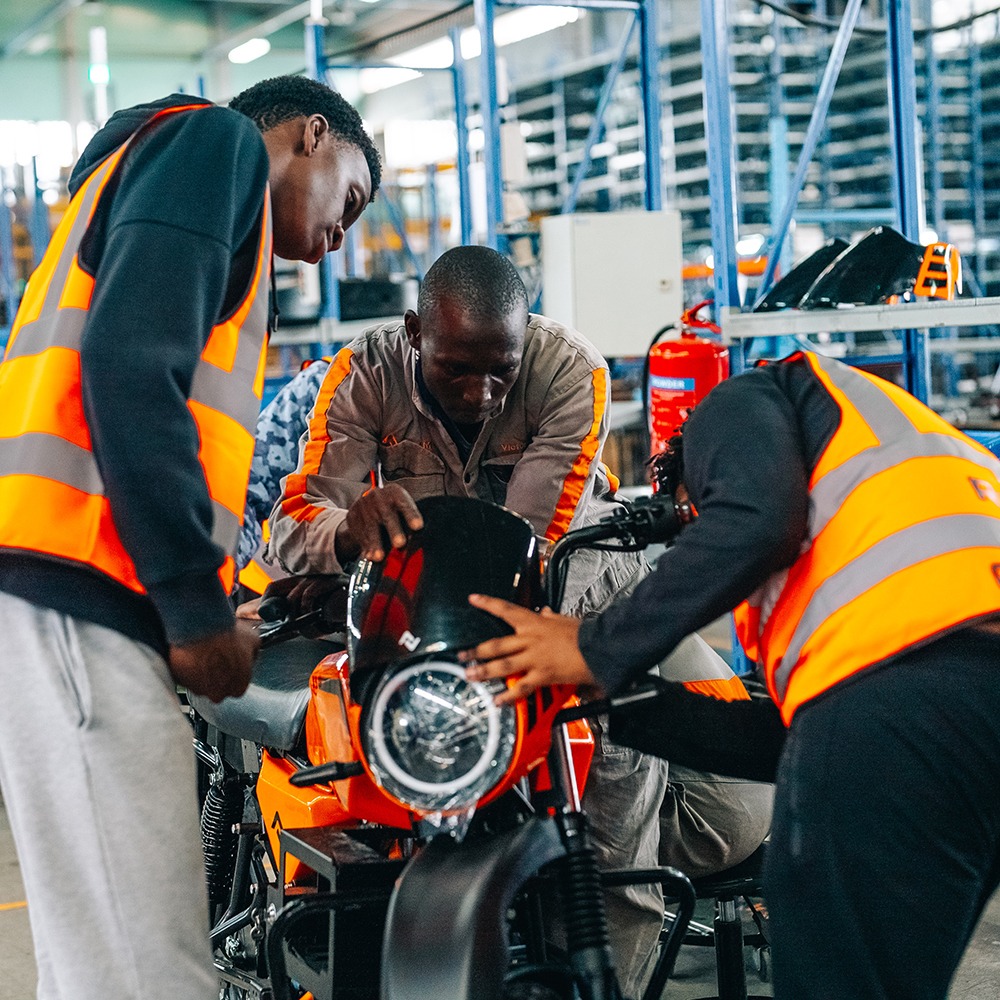
Roam adds that having suppliers nearby shortens the feedback loop between riders, engineers and component makers, which makes it easier to adapt parts to local operating conditions.
Parts sold beyond Roam’s own network
Locally made components are also finding buyers outside the Roam network. Riders of other motorcycles are purchasing helmets, side mirrors, rims, cowlings, stands and electrical components from the same suppliers. Roam says it is making sure parts can be used on other brands across the region, including in Rwanda, Uganda, Tanzania and Ethiopia, which gives suppliers a market that does not depend on a single manufacturer.
Next step: the chassis
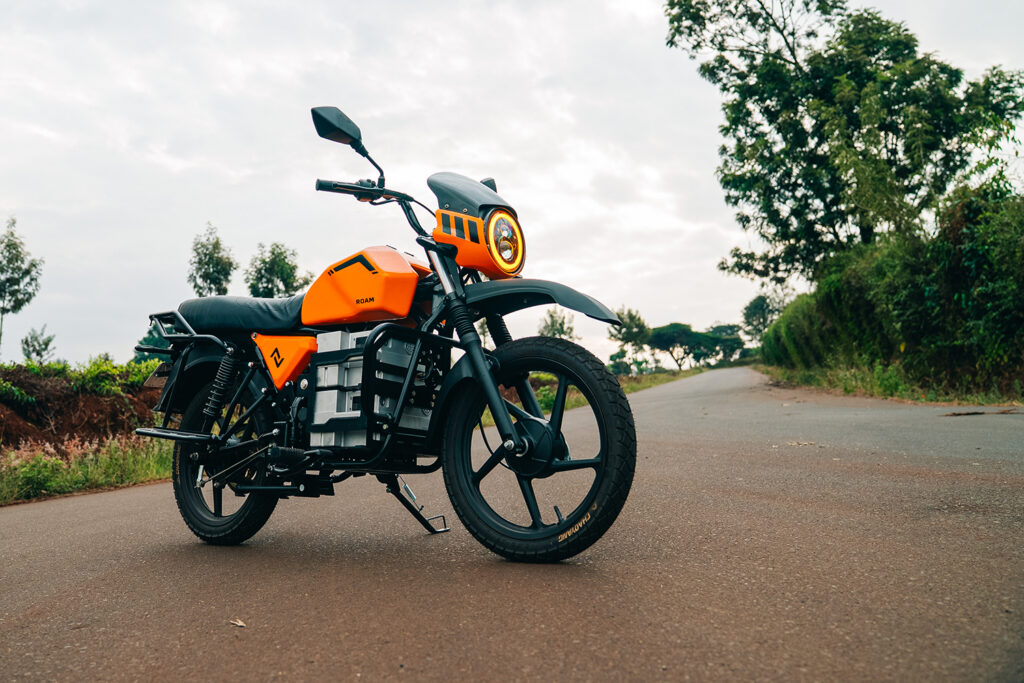
To get from 40% to 50%, Roam plans to bring the motorcycle frame into local production. “Our ambition is to get to a 50-50 balance, where half of the Roam Air is locally made, and half is sourced internationally,” said Habib Lukaya, Country Manager at Roam.
The announcement comes six months after the launch of the Roam Air Gen 3, which introduced a fast-charging battery with a 100,000 km guarantee and a reinforced, robot-welded chassis.
Regulation is moving in the same direction
The timing is linked to policy. The East African Community Assembling and Manufacturing of Products Regulations, 2025, are scheduled to take effect on 1 July 2027. They define local content as raw materials, parts and components manufactured within the EAC, require manufacturers to draw up time-bound plans for regional sourcing, and tie incentives to the use of EAC-made inputs. In Kenya, Legal Notice 112 of 2020 already obliges motorcycle assemblers that benefit from duty remission to source specified parts locally and maintain a localisation plan.
Roam also points to a 2026 Siemens Stiftung study on electric motorcycle assembly in Nigeria. It found per-unit costs around 41.3% lower in configurations with more than 25% local content compared with fully imported units, with no reported loss of performance or durability. Roam notes that these figures come from Nigeria and do not represent its own cost savings.
Tobias Alando, Chief Executive of the Kenya Association of Manufacturers, said the focus should now be on “moving further up the value chain and ensuring that the growth of e-mobility translates into broader industrial development.”