
Why light electric offroad motorbikes are thriving while electric road motorcycles struggle


For more than a decade, electric motorcycles have been presented as the inevitable future of two-wheeled mobility. Yet despite technological progress and growing environmental awareness, electric road motorcycles remain a niche product in Europe, constrained by high prices, range anxiety, regional charging infrastructure, and conservative consumer expectations.
At the same time, a very different segment is quietly, and convincingly, succeeding: light electric off-road motorbikes.

From trail bikes to electric motocross-inspired machines, this category is experiencing rapid growth, strong community adoption, and an expanding lineup of increasingly capable models. Recent launches and showcases at AIMExpo 2026 and CES 2026 in Las Vegas, confirm that this is no longer an experimental niche. It is one of the healthiest segments in the electric motorcycle market today.
The Sur-Ron effect: the bike that started it all
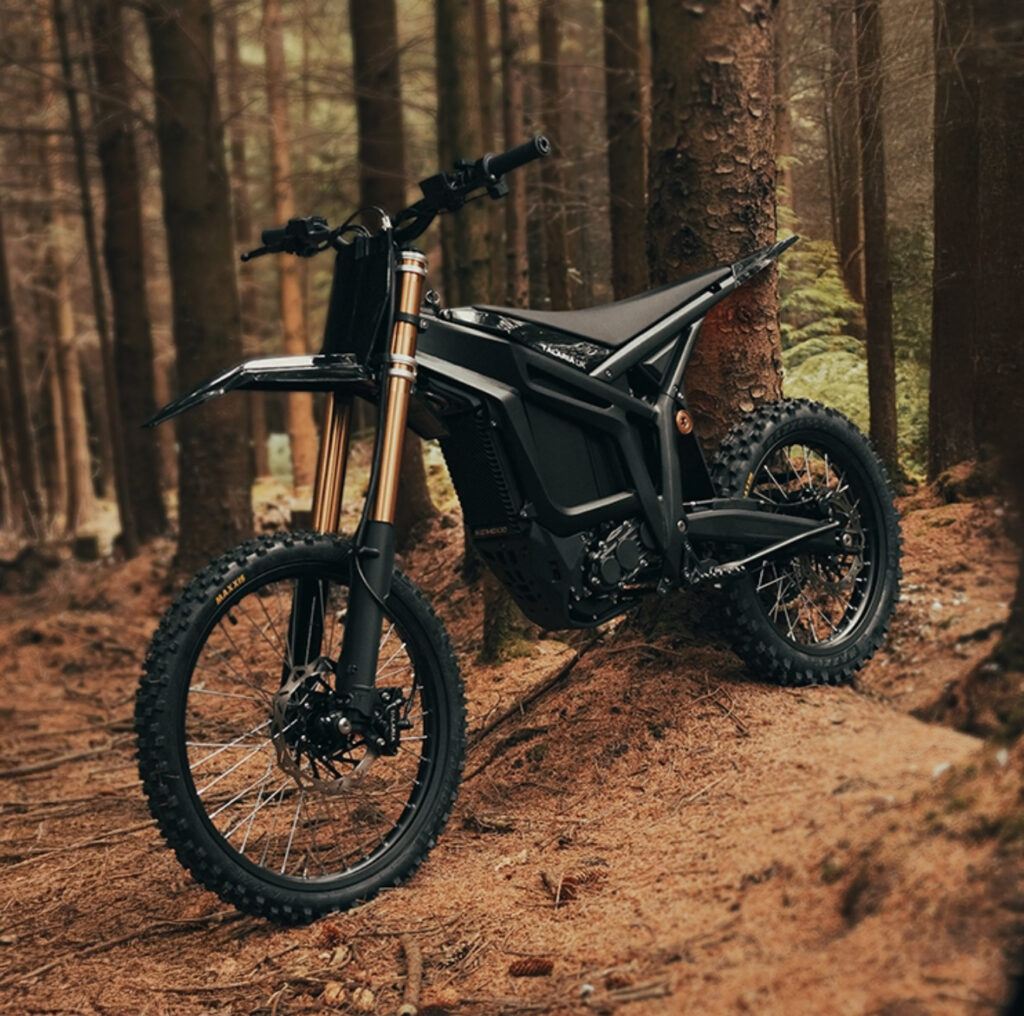
No discussion about the rise of light electric off-road motorbikes would be complete without mentioning Sur-Ron. Long before the current wave of high-performance electric dirt bikes, Sur-Ron effectively defined the modern lightweight electric off-road formula. By combining a compact aluminum frame, a mid-mounted electric motor, removable battery, and bicycle-like dimensions with motorcycle-level torque, Sur-Ron created a new hybrid category that did not previously exist.

This design proved to be a breakthrough. It demonstrated that an electric off-road bike did not need to imitate a full-size motocross machine to be fun, capable, and commercially viable. As a result, Sur-Ron became a reference point for the entire industry (followed by a huge aftermarket for various parts). Many of today’s most popular models follow the same core architecture, refining it with stronger motors, improved suspension, higher voltage systems, and more advanced electronics.
In many ways, Sur-Ron’s early success validated the segment and encouraged manufacturers to invest seriously in lightweight electric off-road development. What we see today is not a coincidence, but an evolution of a concept that Sur-Ron introduced to the market years ahead of its time.
A clear contrast with electric road motorcycles
Electric road motorcycles face a difficult equation. To replace internal-combustion road bikes, they must offer:
- Long real-world range
- Fast and widespread charging
- Competitive pricing
- Comparable weight and performance
- Emotional appeal equal to traditional motorcycles
So far, very few models manage to deliver all of this at once. Large battery packs increase weight and cost, while charging infrastructure remains inconsistent in some regions. For riders accustomed to refueling in minutes and riding hundreds of kilometers in a day, compromises remain significant.
Light electric off-road motorbikes, by contrast, operate under a completely different set of expectations, and that is precisely why they work.
Designed around what electric does best
Off-road riding aligns naturally with electric powertrains. These bikes are typically used for:
- Shorter, high-intensity rides
- Trails, tracks, and private land
- Recreational or competitive sessions rather than long-distance travel
In this context, limited range is far less problematic, while instant torque, silent operation, and low maintenance become major advantages. Electric motors deliver precise throttle control at low speeds, ideal for technical terrain, while the absence of noise opens up new riding opportunities in areas where combustion bikes are restricted.
This practical fit between use case and technology is the foundation of the segment’s success.
A new generation of lightweight electric off-road bikes
The latest wave of electric off-road motorbikes shows just how quickly the category is maturing.
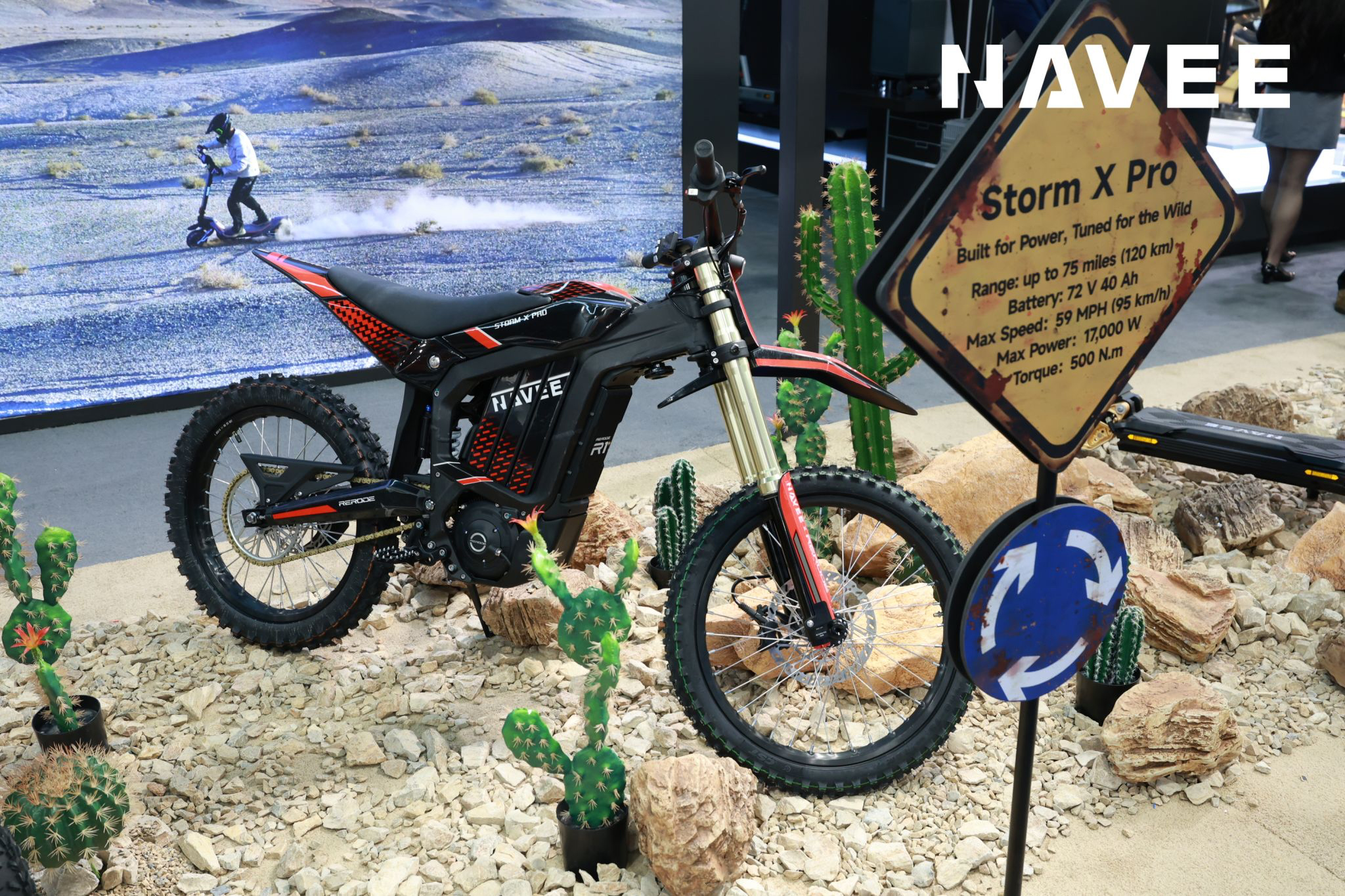
Segway’s recent presentation at AIMExpo underlined how mainstream mobility brands now take this segment seriously. Its latest electric dirt bike focuses on smart electronics, refined power delivery, and a lightweight chassis, a clear signal that electric off-road bikes are no longer treated as novelty products.
The 2026 Talaria Komodo pushes performance further, targeting riders who want a true mid-weight electric dirt bike with aggressive acceleration, robust suspension, and components capable of real off-road abuse. It reflects the growing confidence of manufacturers willing to compete directly with small-displacement gas bikes.

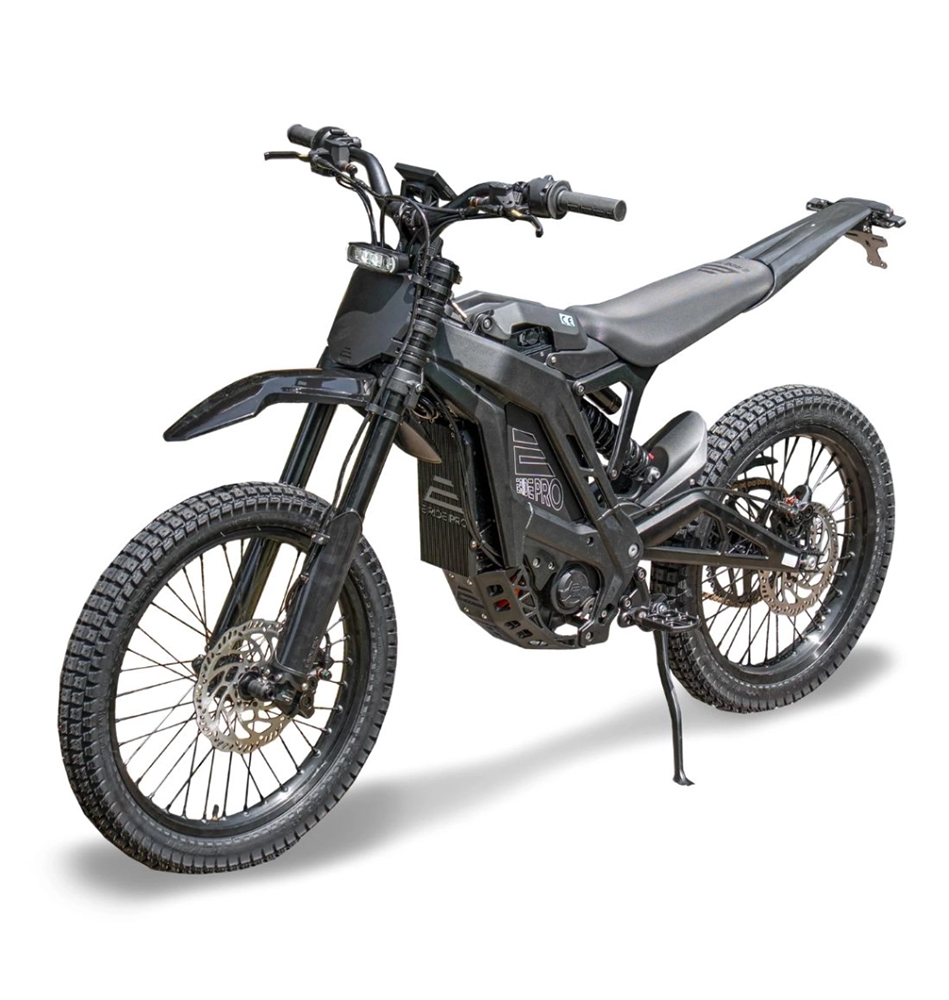
Models like the Arctic Leopard XE PRO S and E-Ride Pro SR aim to combine usable range, manageable weight, and accessible pricing, making them attractive not only to experienced riders but also to newcomers entering off-road riding through electric power. Meanwhile, new players are experimenting with design, battery configurations, and performance targets at a pace rarely seen in traditional motorcycle development cycles.
Legacy brands join the movement: Zero Motorcycles and the X-Line
The momentum created by early pioneers such as Sur-Ron eventually drew attention from more established electric motorcycle manufacturers. Zero Motorcycles, widely recognized as a global leader in electric road bikes, entered the lightweight off-road category with its X-Line models, the XB and XE, several years after the segment had already proven its relevance.

From a technical standpoint, the X-Line reflects Zero’s accumulated experience in electric powertrains and vehicle integration. At the same time, its arrival in 2025 illustrates how quickly the lightweight off-road segment evolved outside the traditional electric motorcycle roadmap. By the time the XB and XE reached the market, the core design principles, compact chassis, removable batteries, moderate weight, and trail-focused performance, had already been validated and refined by earlier entrants.
In hindsight, Zero’s move can be seen less as a misstep and more as a missed opportunity to shape the segment earlier. As a brand with global reach and engineering resources, Zero was well positioned to help define standards in this emerging category. Instead, smaller and more agile manufacturers established much of the segment’s identity, community, and expectations before larger players fully engaged.
Accessibility drives adoption
One of the most important reasons behind the success of light electric off-road motorbikes is accessibility.
Compared to electric road motorcycles, these bikes are:
- Cheaper to buy
- Easier to ride
- Less intimidating for beginners
- Less demanding in terms of licensing and regulation in many regions
Many models sit at price points similar to, or even below, equivalent internal-combustion off-road bikes. Maintenance costs are lower, with no oil changes, fewer moving parts, and reduced wear on consumables. For younger riders and urban users looking to access off-road experiences, electric bikes lower the barrier to entry significantly.
Culture, community, and competition
The growth of electric off-road bikes is not just technical; it is cultural.
Dedicated riding communities, online content creators, and organized competitions are helping legitimize electric off-road riding. Events and race series focused on electric power demonstrate that performance and excitement are no longer exclusive to combustion engines.
At the same time, silent operation and zero local emissions align well with modern attitudes toward land use and sustainability. Electric off-road bikes make it easier to coexist with hikers, landowners, and local authorities, a crucial factor for the future of recreational riding.
Light electric off-road motorbikes succeed because they do not try to replace everything at once. Instead, they focus on what electric power already does exceptionally well: torque, control, simplicity, and fun.
More e-off-road news, with free PDF download: