
Damon Motors: the slow collapse of an electric dream


When Damon Motorcycles emerged from Vancouver, Canada in 2017, founded by Jay Giraud and Dominique Kwong, it did so with numbers that seemed almost impossibly bold. Two hundred horsepower. A top speed of 200 miles per hour. A range of 200 miles on a single charge. These were not incremental improvements on existing electric motorcycles, they were a declaration that the genre was about to be revolutionised.
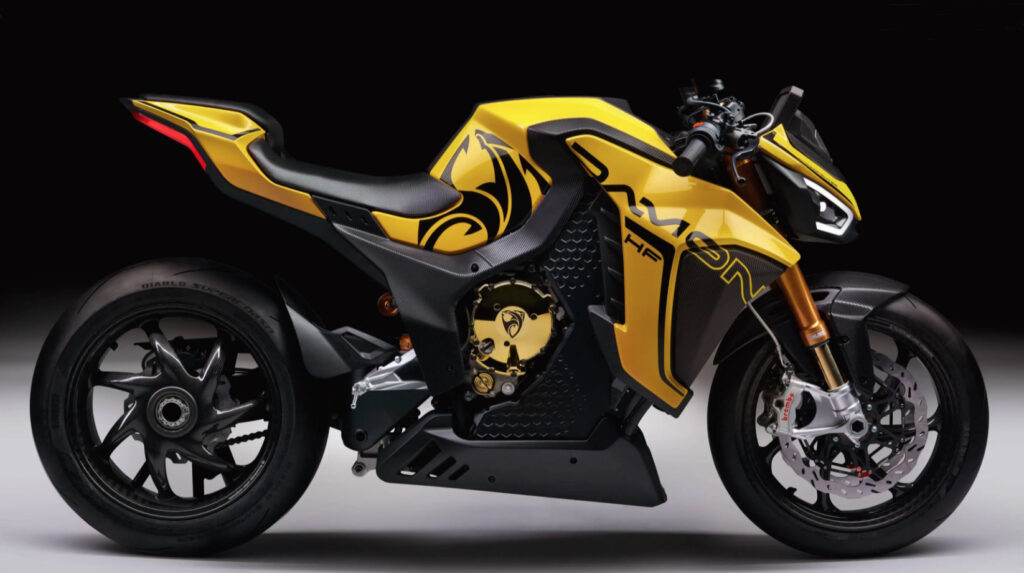
The flagship model, the HyperSport, was stunning to look at. It combined an aggressive aerodynamic design with the promise of integrated AI-powered safety systems, including a collision warning platform called CoPilot and a unique riding position system called Shift, which could transform the bike between sport and commuter modes while in motion. On paper, it was everything the industry had been waiting for.
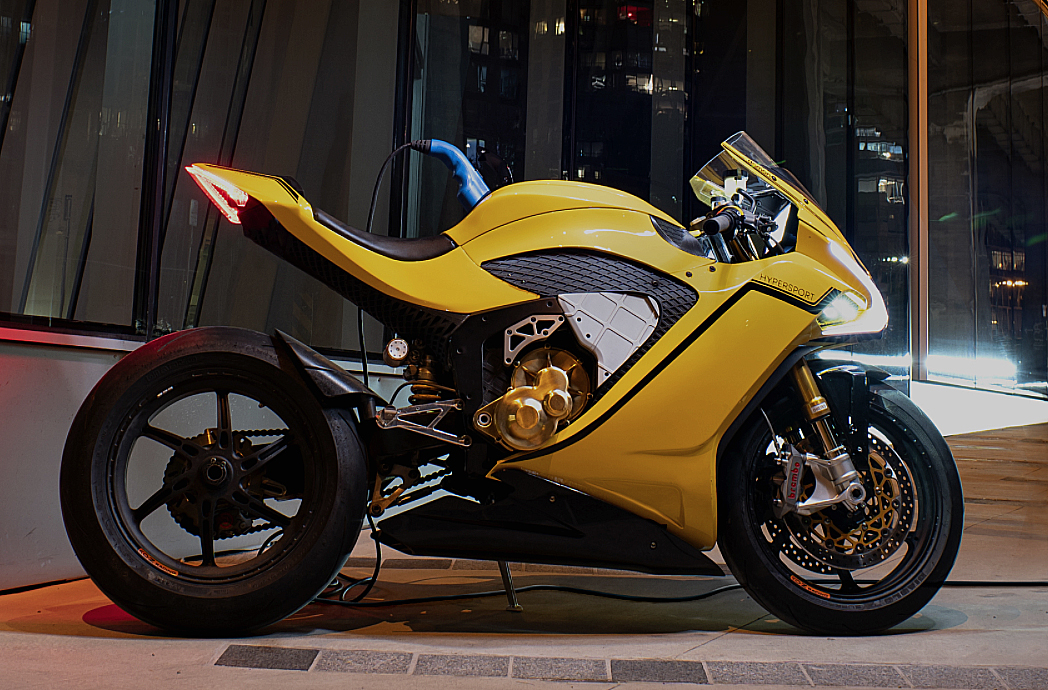
Thousands of riders around the world agreed. More than 3,000 reservations were placed, representing over 100 million Canadian dollars in deposits. The company attracted serious investment, raised 37.9 million dollars in a Series B funding round in 2021, and was widely celebrated as one of the most exciting electric vehicle startups on the planet.
“Over 3,000 riders trusted Damon with their deposits. That trust has been catastrophically misplaced.”
The final unravelling
The end, when it came, was not sudden. It was the logical conclusion of years of structural fragility dressed up in polished marketing language.
By early 2026, the company that had promised to reinvent motorcycling was operating with a skeleton crew. According to reports from RideApart (link mentioned at the sources, at the end of this article), which has been at the forefront of covering Damon’s decline, only two employees were still listed on the company’s website: Rob Chartier, VP of Cloud and Information Systems, and Kurt Risic, VP of Vehicle Dynamics and Integration. Both co-founders were gone. The CTO was gone. The engineering team behind the original prototypes was gone. There was no manufacturing facility. The company held no production-ready motorcycles.
In March 2026, Damon announced in a brief press release, dropped on a Friday evening, that its entire board of directors, including the CEO and CFO, had resigned. The announcement contained no plan. No successor. No explanation beyond vague language about insurmountable challenges.
Then, on April 20, 2026, the website disappeared. Visitors to damon.com were greeted not with news of a dramatic rescue or a pivot, but with a plain error message: “Site not found.” For a company built on visibility, ambition and the language of technological revolution, the silence was deafening. The investor relations page remained live, an irony that was not lost on industry observers. One can still technically invest in Damon Inc. as of the time of writing. Whether anyone should is a different question entirely.
The lawsuits, the deposits, and the human cost
Beyond the corporate drama, there is a human story here that deserves to be told plainly. More than 3,000 people placed reservation deposits on a Damon motorcycle. Many waited years. The former CMO of Damon told RideApart that those deposits were fully refundable, but with the company’s leadership gone, its accounts unknown, and its communications infrastructure offline, the mechanism by which those refunds will actually occur is entirely unclear.
The company is also facing three separate lawsuits. One was filed by co-founder Jay Giraud himself, alleging he was never paid a promised bonus and backpay following his departure. A second lawsuit claims Damon failed to issue 3.2 million dollars’ worth of shares to an advisor as agreed. A third alleges the company owes 376,000 dollars in unpaid rent for its Vancouver office. None of these allegations have yet been proven in court, but their existence paints a picture of a company that struggled to honour basic financial commitments long before the lights went out.
The broader pattern: why this keeps happening
Damon is not an isolated case. Electric motorcycle startups face an extraordinarily difficult combination of challenges: the high capital cost of battery and powertrain development, the complexity of homologating a new vehicle platform for multiple markets, the difficulty of building a supply chain from scratch, and the relentless pressure from investors expecting rapid growth in a sector where development timelines are measured in years, not months.
Damon compounded these sector-wide challenges with specific internal failures. Display models were shown using parts borrowed from competitors, including a Zero Motorcycles power pack and a Yamaha R1 frame, without disclosure. Production facilities were announced and then quietly abandoned. Layoffs occurred without public acknowledgement. The company went public on the NASDAQ, a move that demanded significant management bandwidth and introduced new regulatory obligations, at precisely the moment it needed to be focused entirely on getting a motorcycle into production.
The result was a company that excelled at generating excitement and struggled to generate motorcycles.
What must change
The electric motorbike industry is real, viable, and important. The transition away from internal combustion engines is not optional, it is necessary. The technology works. The market exists. The riders are ready.
What cannot continue is a culture in which startups raise money on the basis of spectacular promises, spend years in a prototype loop, and ultimately collapse without ever delivering a single production unit to the customers who believed in them. This pattern does not just harm individual depositors. It harms the entire industry by associating electric motorcycles with vaporware, eroding the trust that established players have worked hard to build.
Greater transparency is needed. When a company announces a production facility, that facility should exist. When a company sets a delivery date, that date should be grounded in reality. When a company goes public, it should disclose its actual production readiness, not the aspirational version of it. And when things go wrong, which in a young and difficult industry they sometimes will, companies owe their customers and their investors honest communication.
Damon had many opportunities to be honest about its difficulties. It chose, consistently, the language of momentum and imminent breakthrough. That choice has consequences, not just for the 3,000 people waiting for a motorcycle, but for every company in this space that is now forced to overcome a little more scepticism than it faced before.
Sources:
RideApart: Damon CTO Derek Dorresteyn leaves (February 2025) https://www.rideapart.com/features/750361/damon-motorcycles-electric-ev-derek-dorresteyn-leaves/
Betakit: Damon Motors CEO, CFO and board resign (March 2026) https://betakit.com/damon-motors-ceo-cfo-and-board-resign-following-prolonged-struggle-on-public-markets/
RideApart: Pretty much everyone just quit Damon Motorcycles (March 2026) https://www.rideapart.com/news/789254/damon-motorcycles-ceo-cfo-board-resign-quit-ev/
iMotorbike News: Damon Motorcycles website goes dark (April 2026) https://news.imotorbike.com/en/2026/04/damon-motorcycles-website
RideApart: Damon Motorcycles website taken down (April 2026) https://www.rideapart.com/news/793505/damon-motorcycles-website-taken-down-gone-ev-motorcycles/